Uncategorized
Announcing Four Heavy/Ultra Long Range Jets Now Available for Charter in the U.S. and Europe
Legacy 600
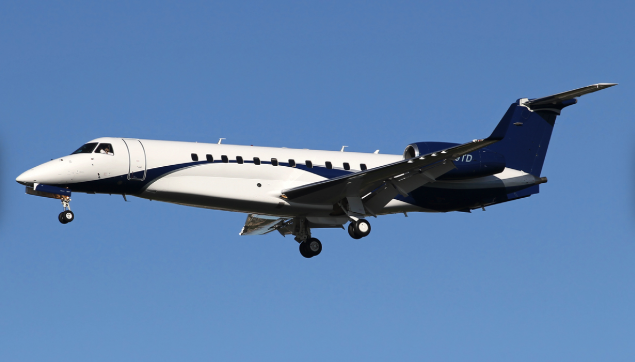
- Cabin Attendant available upon request
- 12 passengers plus cabin attendant seat
- ARGUS Gold
- 6.5 hours nonstop range
Gulfstream G500
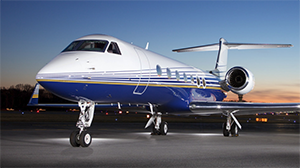
- 18 passenger cabin
- 2006 DOM refurbished 2016
- ARGUS Platinum, Wyvern Wingman
Gulfstream V

- 12 passenger cabin
- 1997 DOM refurbished inside & out 2018
- ARGUS Platinum, Wyvern Wingman, IS-BAO Registered
Falcon 8X
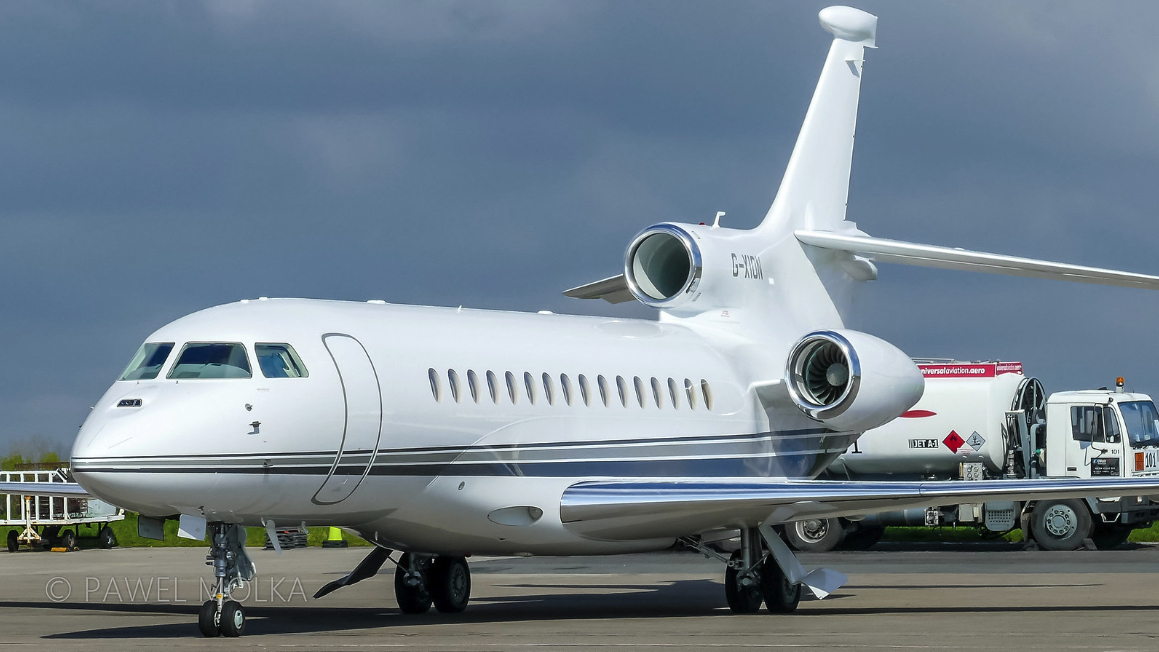
- 14 passenger cabin
- 2016 date of manufacture
- IS-BAO Registered, Wyvern Registered
Sources: Charter operator fleet updates Air Charter Alerts by FlightList PRO, are the latest announcements in the private air charter industry about operators, brokers and charter aircraft, and geared towards active participants in the industry. Leading air charter brokers and travel professionals use FlightList PRO’s full-market resources, economical rates and marketing opportunities to grow their service level, their business and their bottom line.
Garmin Unveils Revolutionary Autoland Automatic Landing System, Available Soon

The future is here, and it is... amazing.
Under tight wraps for eight years, Garmin just announced its new Autoland function, which can take over and land an aircraft completely autonomously. The system is designed to rescue an airplane with an incapacitated pilot or save a pilot when weather conditions present no other safe option. Autoland should soon receive its first FAA approval, with certification expected shortly in the Piper M600 turboprop, followed by the Cirrus Vision Jet. Autoland is currently available to manufacturers equipping their airplanes with the Garmin G3000 avionics and autothrottle. The Garmin Autoland system is part of Garmin’s Autonomi family of automation products, which includes Electronic Stability and Protection and Emergency Descent Mode. The Autoland system is designed to safely fly an airplane from cruising altitude to a suitable runway, then land the airplane, apply brakes, and stop the engine. Autoland can even switch on anti-/deicing systems if necessary.Garmin's stock price jumped 10% on October 30, the day of the announcement.
A demo flight, and Garmin Autoland landing, with the press.
Edward C. Baig of the USA Today took a demo flight in a new $2.75M Cirrus Vision Jet outfitted with the Garmin Autoland automatic landing function which Cirrus has aptly branded Safe Return. He is not a pilot of any type, yet he landed the jet. Well, actually the plane landed itself. He merely pressed a single red button on the roof of the main cabin, and watched and listened to the digital copilot as it navigated, communicated, landed the jet, braked to stop, and shut down the engine. From his article in USA Today:Safe Return has to able to solve two main problems, the most obvious of which is to return everyone to the ground safely. It must also do so without disrupting the flight patterns or risking the safety of all the other planes in nearby airspace.
“When you automatically turn that plane into an autonomous vehicle, the plane starts acting as if the pilot were still doing things,” says Ben Kowalski, senior vice president for sales and marketing at Cirrus Aircraft.

The plane has databases of the terrain and possible obstacles (like mountains and cell towers). It gets real-time weather and wind information. And it knows the weight, how much fuel remains, and all the nearby airports where an emergency landing is possible, including the lengths of all runways.
After determining the proper path based on all these considerations, the system uses text-to-speech software to broadcast its whereabouts to air traffic control.
Kowalski says it goes something like this: “Aircraft 149 Victor Bravo, we have an emergency onboard. The pilot is incapacitated. I’m 15 miles north of White Plains, and I’m going to land at JFK on runway 27.”
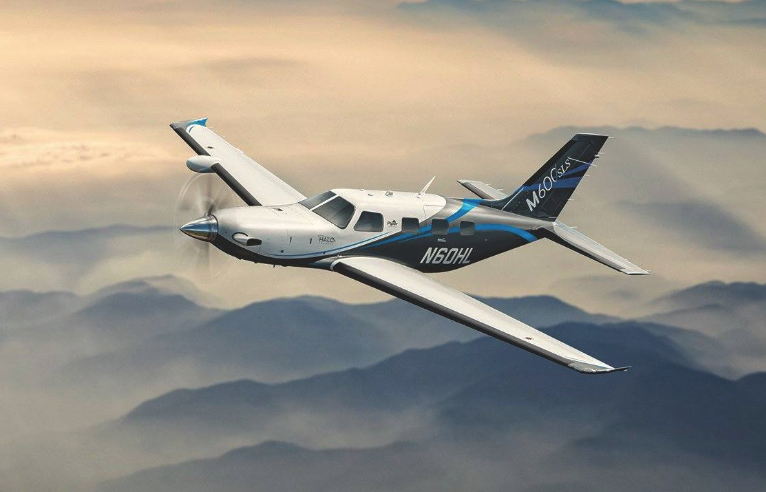
There’s no particular challenge to push the button – it’s easily reached by an adult in the cabin. (The plane seats five adults and two children.) But you can only assume that panic will set in during a real crisis in which the pilot has a heart attack, seizure or something else goes wrong.
The system tries its best to calm everyone down by mimicking what, well, a pilot might say: “Safe Return activated, landing in 13 minutes.” A moment later, “Safe Return activated, landing in 12 minutes.” And so on.
His article was published in the USA Today on October 30.
With a touch of a button, a passenger can land the airplane. That is groundbreaking, and very different than what the world has known before. Soon, an automatic landing function will be available for new versions of two GA turbine aircraft, enabling an autonomous critical sector of a flight, and is just the beginning. What will tomorrow bring? We have a glimpse, and it is... amazing.Contributor: Rick Colson, a business aviation entrepreneur, industry consultant, pilot, and family man. @rickcolson | LinkedIn | Instagram A video by AVweb/Aviation Consumer: Demo flight and landing the Piper M600 turboprop autonomously with Garmin Autoland. Sources: USA Today, Aviation International News, The Aviation Consumer Air Charter Alerts by FlightList PRO, are the latest announcements in the private air charter industry about operators, brokers and charter aircraft, and geared towards active participants in the industry. Leading air charter brokers and travel professionals use FlightList PRO’s full-market resources, economical rates and marketing opportunities to grow their service level, their business and their bottom line.
Announcing New to Charter in the U.S.; Challenger 650, Legacy 600, Challenger 350 and others
All are available through the FlightList PRO sourcing platform, which includes all 16,631 aircraft and 3,419 charter operators, the world's largest.
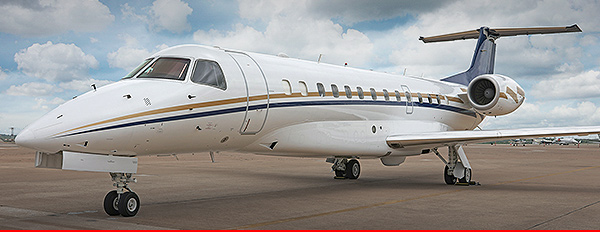
Legacy 600, based TEB Teterboro, NJ- Operated by Jet Edge
- ARGUS Platinum
- Wyvern Wingman
- 4G Wi-Fi complimentary
- 2015 Interior
-
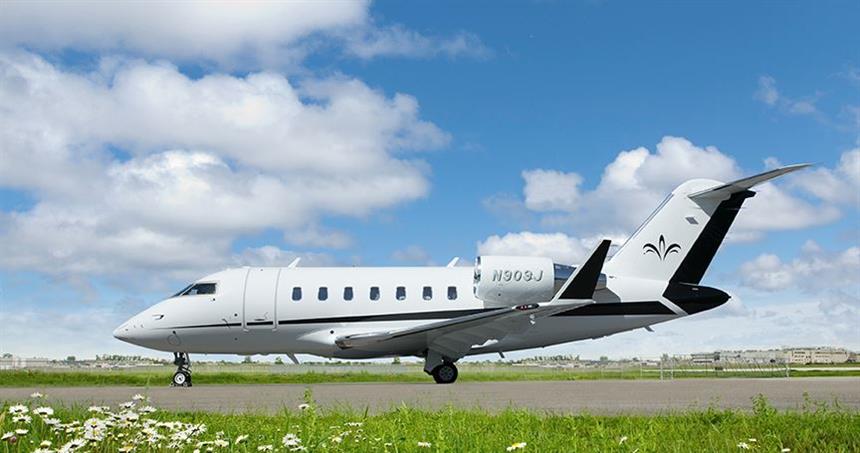
Challenger 650, based ORL Orlando, FL- Operated by Elite Air
- 11 passenger
- ARGUS Platinum
- Wi-Fi complimentary
- 2018 Aircraft
Challenger 350, based SNA Santa Ana, CA
- Operated by Latitude 33
- ARGUS Platinum
- Wi-Fi complimentary
- 2018 Aircraft
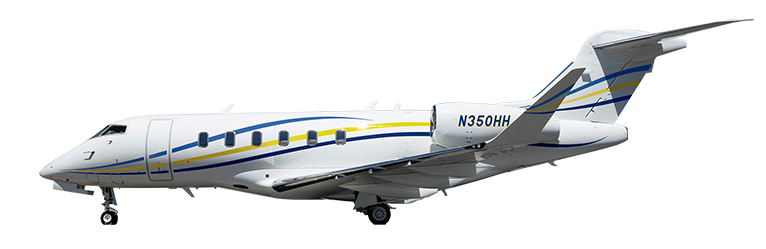
New to charter, 2018 Challenger 350 based KSNA Santa Ana, CA operated by Latitude 33.
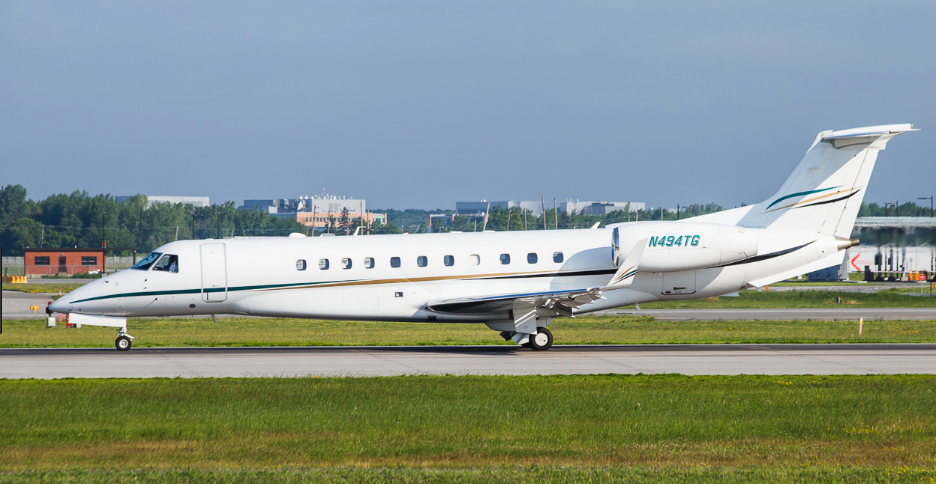
Legacy 600, based BDL Windsor Locks, CT- Operated by Latitude 33
- ARGUS Gold
- 13 passengers
- 2004 aircraft, 2014 interior
-
Nextant 400XTI, based PIE Clearwater, FL- Operated by Elite Air
- ARGUS Gold
-
Hawker 400XP, based PIE Clearwater, FL-
- Operated by Elite Air
- ARGUS Gold
Sources: Charter operator announcements Air Charter Alerts by FlightList PRO, are the latest announcements in the private air charter industry about operators, brokers and charter aircraft, and geared towards active participants in the industry. Leading air charter brokers and travel professionals use FlightList PRO’s full-market resources, economical rates and marketing opportunities to grow their service level, their business and their bottom line. -
Five Air Charter Brokers and Operators Named to 2018 Inc. 5000
 Each year Inc. Magazine names the fastest-growing privately held small companies in the U.S., called the "Inc. 5000". The companies are ranked by overall revenue growth over the prior three-year period. All 5,000 honoree companies are individually profiled on Inc.com.
Inc. also ranks the companies into sub-categories by industry, state, metro, city and others.
Five private air charter operator and broker companies were named to the 2018 Inc. 5000. The below information is from the Inc. 5000, and shown in order of ranking, 3-year growth rate:
Each year Inc. Magazine names the fastest-growing privately held small companies in the U.S., called the "Inc. 5000". The companies are ranked by overall revenue growth over the prior three-year period. All 5,000 honoree companies are individually profiled on Inc.com.
Inc. also ranks the companies into sub-categories by industry, state, metro, city and others.
Five private air charter operator and broker companies were named to the 2018 Inc. 5000. The below information is from the Inc. 5000, and shown in order of ranking, 3-year growth rate:
 Luxury Aircraft Solutions
(charter broker) Provides private jet charter services, specializing in challenging itineraries at the industry's lowest pricing.
Luxury Aircraft Solutions
(charter broker) Provides private jet charter services, specializing in challenging itineraries at the industry's lowest pricing.
- 2018 Rank #2143
- Leadership: Daniel Hirschhorn
- 2017 Revenue $6.1M
- 3-Year Growth 207%
- Founded 2011 Employees 6
 Premier Private Jets
(charter operator) Specializes in chartered private aircraft, aircraft management, and pilot training.
Premier Private Jets
(charter operator) Specializes in chartered private aircraft, aircraft management, and pilot training.
- 2018 Rank #2262
- Leadership: Josh Birmingham
- 2017 Revenue $6.3M
- 3-Year Growth 195%
- Founded 2003 Employees 20
- A two-time Inc. 5000 honoree, 2017 - 2018
 Paramount Business Jets
(charter broker) Offers private flights to and from any city in the world with as little as four hours of notice.
Paramount Business Jets
(charter broker) Offers private flights to and from any city in the world with as little as four hours of notice.
- 2018 Rank #2550
- Leadership: Richard Zaher
- 2017 Revenue $15.4M
- 3-Year Growth 168%
- Founded 2005 Employees 20
- A three-time Inc. 5000 honoree, 2013, 2014, 2018
 Private Jets
(charter operator) Provides customer service worldwide in the aircraft charter industry. Serves as an aircraft charter operator for individuals as well as businesses nationwide.
Private Jets
(charter operator) Provides customer service worldwide in the aircraft charter industry. Serves as an aircraft charter operator for individuals as well as businesses nationwide.
- 2018 Rank #2776
- Leadership: Happy Wells
- 2017 Revenue $17.4M
- 3-Year Growth 149%
- Founded 1987 Employees 50
 Magellan Jets
(charter broker) Provides national and international charter jet flights. Offers private jet membership programs and other services for those who require a private jet when they are traveling. One of its perks is the low 10-hour notice that is required before a flight is booked.
Magellan Jets
(charter broker) Provides national and international charter jet flights. Offers private jet membership programs and other services for those who require a private jet when they are traveling. One of its perks is the low 10-hour notice that is required before a flight is booked.
- 2018 Rank #3737
- Leadership: Joshua Hebert
- 2017 Revenue $38M
- 3-Year Growth 98%
- Founded 2008 Employees 35
- A six-time Inc. 5000 honoree, 2013 - 2018
Sources: Inc. 5000, Inc.com FlightList PRO, at $90 for 3 users no contract, is a favorite of the most experienced charter brokers and travel professionals; 80% of FlightList PRO users have been arranging charters more than 10 years, 25% more than 20 years. Free trials available. Air Charter Alerts by FlightList PRO, are the latest announcements in the private air charter industry about operators, brokers and charter aircraft, and geared towards active participants in the industry.
Gulfstreams V and IV-SP New to Charter, Prime Jet Fleet Grows to 12
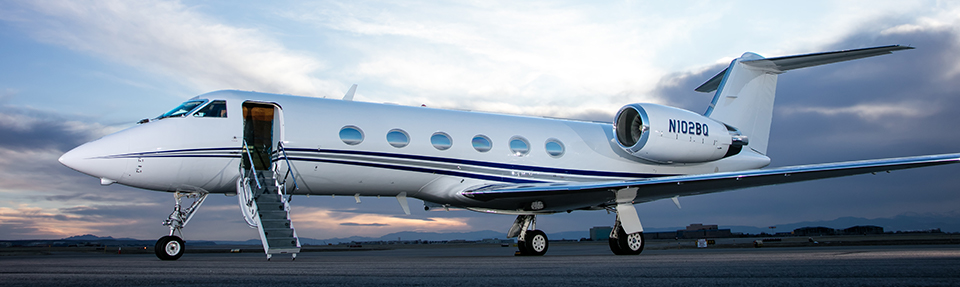
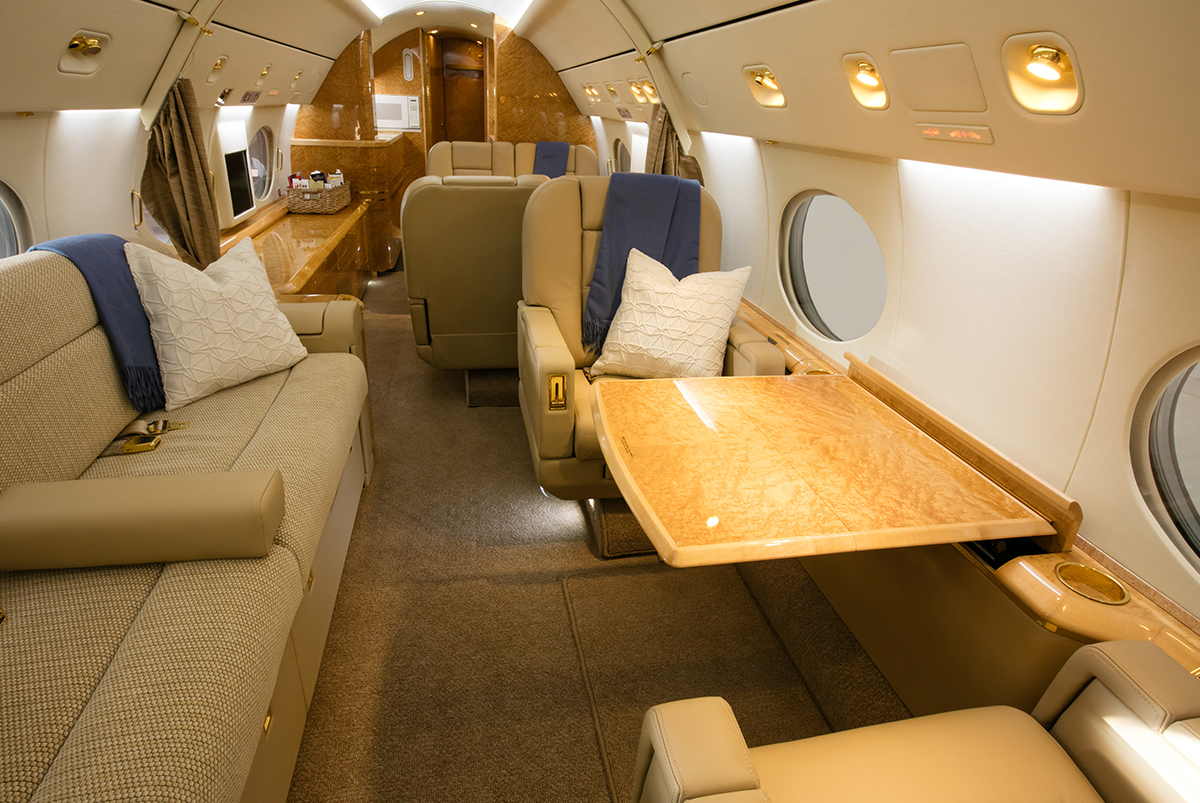
- 14 Passenger Configuration
- Berths 5-6
- 2018 Full Interior Refurb
- Free Domestic Wi-Fi
- Soft Divided Cabin
- Entertainment System
- Full Service Aft Galley
- Wyvern Wingman | AR/GUS Platinum
- Charter Friendly
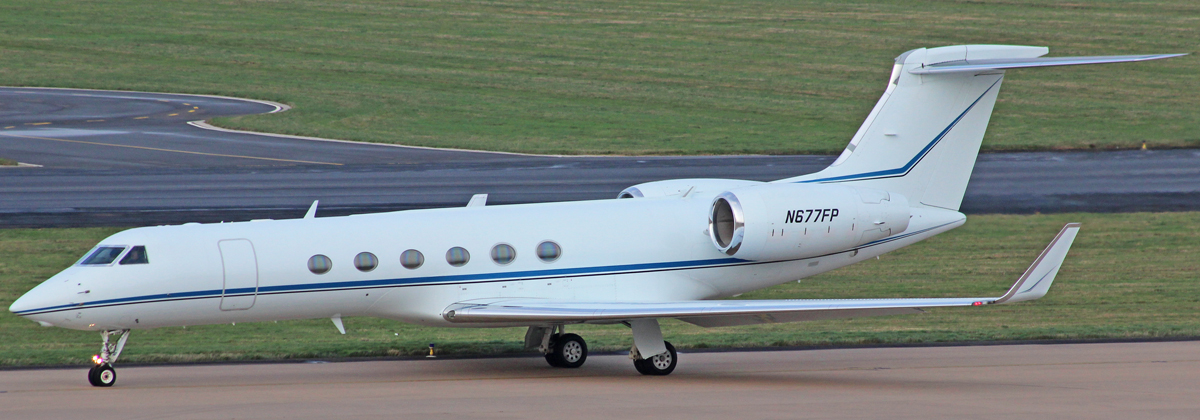
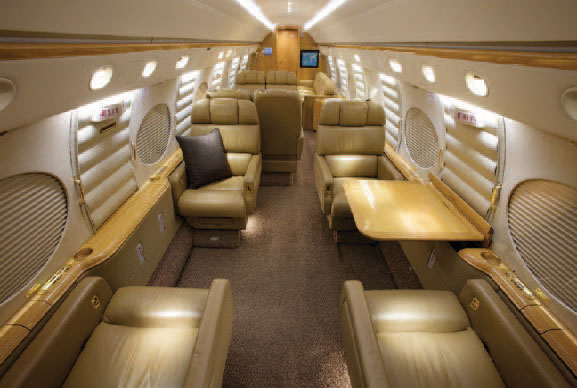
- 2018 Full Refurbishment
- 16 Passenger Configuration
- Wi-Fi Equipped
- Free Domestic (GoGo Inflight)
- Entertainment System
- Full Service Galley
- Separate Crew Rest Area
- Charter Friendly
Source: Company announcements FlightList PRO, at $90 for 3 users no contract, is a favorite of the most experienced charter brokers and travel professionals; 80% of FlightList PRO users have been arranging charters more than 10 years, 25% more than 20 years. Free trials available. Air Charter Alerts by FlightList PRO, are the latest announcements in the private air charter industry about operators, brokers and charter aircraft, and geared towards active participants in the industry.
2017 Results and 2018 Projections from 15 Air Charter Companies

 Air charter activity is up worldwide according to data and anecdotal reports. US and global economies are favorable and consumer sentiment is improving. Recent US tax law changes are providing incentive and resources for business growth in the US and helping fuel the upward trend of business aviation for 2018.
We will let the industry speak for itself; from 15 air charter companies, organizations and individuals- compiled here are their own results, projections and commentary on business now and looking forward.
Air charter activity is up worldwide according to data and anecdotal reports. US and global economies are favorable and consumer sentiment is improving. Recent US tax law changes are providing incentive and resources for business growth in the US and helping fuel the upward trend of business aviation for 2018.
We will let the industry speak for itself; from 15 air charter companies, organizations and individuals- compiled here are their own results, projections and commentary on business now and looking forward.
Jason Middleton, CEO, Silver Air
From January 18 Forbes.com: "For us at Silver Air, the outlook for 2018 is great in pretty much all areas. We are seeing aircraft sales go up, aircraft charter volume is going up, and charter clients are stepping up in the size of aircraft as well. We are seeing a particularly strong upswing in the Super Mid category. Aircraft like the Citation X and Challenger 300 are in high demand for charter.PrivateFly
From company website and several online articles: (PrivateFly acquired US broker Bird Dog Jet in 2017) "PrivateFly has grown over 50% again in 2017, and we are looking to continue that growth path in 2018, in large part by U.S. expansion. We've grown both top line revenue and bottom line EBITDA as a profitable online platform in the digital space proving true viability. After opening our first US office in 2016, we've expanded our team with the recent takeover of Bird Dog Jet and received several new awards and accolades. These steps are just the beginning of our American growth, and we have big plans for 2018.”Jamie Walker, President & CEO, Jet Linx Aviation
From January 18 Forbes.com: “Our Jet Card business is growing at a strong and steady pace as more individuals realize the need for private aviation both in their business and leisure travel. Our average growth rate over the past five years has been 30% or more for both revenue and flight hours. I expect that business growth and utilization will continue to grow at 30% or more in 2018. Overall, we’re seeing tremendous opportunities for growth in 2018 and beyond and are looking to expand to new markets on the east and west coasts, including Boston, Chicago, Los Angeles, New York, Salt Lake City and San Jose.”New Flight Charters
Leading charter brokerage New Flight Charters announced in a national release about current jet charter trends and results: 12.5% increase in charter business overall lead by growth in midsize, super-midsize and heavy jets (+16%), and also turboprops (+18%) in that growing charter market segment. International charters increased by 40% in 2017, led by flights to the Caribbean and Mexico. Drivers to the growth included improved pricing options with floating fleets, personnel/service level, and increased repeat clients. January 2018, it reports, continued the same trends. The company offers the industry's only "best price guarantee" for jet charter pricing and quotes.Sergey Petrossov, CEO, JetSmarter
From January 18 Forbes.com: “Business is great. We grew over 100% in 2017 for revenue and over 150% in passengers flown. We expect to double again in size in 2018. For the market, we believe the sharing economy will consume private aviation all the way from aircraft ownership to single seat bookings, and consumers will use multiple biz jet solutions for their travel needs.”Monarch Air Group
Monarch Air Group, an aircraft management company, charter operator and charter broker based in Texas and Florida, published predictions for 2018.- New clients will experience flying private
- Charters will lead the business aviation growth
- Bitcoin as a payment method will be a must
- Diversification as the key to withstanding shaky economies
- Consolidation of the very light jet segment
ARGUS
ARGUS through AIN Online 2/5/18: For the first quarter, Argus predicts a 5 percent jump in year-over-year business aircraft traffic. January will lead the gains with a 5.4 percent increase, with February and March up 4.8 percent and 4.9 percent, respectively. Overall, business aircraft flights in the first quarter are expected to number 759,169. Business aviation flights in the U.S. and Canada topped 3 million last year, reaching that mark for the first time since 2008, according to a 2017 Business Aircraft Activity Review released by Argus International. The 30-page review, which details Argus TraqPak flight activity data in 2017, reports that business aviation flights increased 3.9 percent overall and flight hours jumped 5.5 percent over 2016. Year-over-year gains were posted in every month of 2017, Argus said, adding that the improvements were fairly consistent throughout the year. Activity in the first half of 2017 was up 3.9 percent over the same period in 2016, while activity in the second half of 2017 was up 3.8 percent. Part 135 operations enjoyed the greatest gains, rising 9.2 percent last year. This improvement was driven by Part 135 large-cabin jet operations, which led all increases in 2017 with a 14.9 percent jump. Fractional flights ended the year up 4.7 percent, while Part 91 flights inched up 0.1 percent in 2017. Increased Part 91 large-cabin and midsize jet flights—up 2.9 percent and 1.2 percent, respectively—offset a slide in Part 91 light jet flights, down 0.7 percent, and turboprop flights, down 1.3 percent.Joe Moeggenberg, CEO, ARGUS
From January 18 Forbes.com: "For the first time since 2008, flight activity reached over three million flights in 2017, an upward trend we expect to see into 2018 as our TRAQPak analysis forecasted flight activity for Q1 in 2018 to increase 5% year over year. In 2017, Part 135 activity saw the largest year over year operation category increase of over 9% and large cabin aircraft saw the largest year over year increase across the industry, up almost 15%.Steve Orfali, CEO, Jetset Group Inc. and Wholesale Jet Club
From January 18 Forbes.com: “We believe 2018 will be another very strong year for our companies. Jetset Group saw a 30% increase in business in 2017, and we project about the same in 2018. The economy continues to flourish, and we are seeing more and more people shift to private jet travel as a result of it. I believe we will see some rising fuel prices in 2018, which could bring up the pricing on charters, but that’s why many people opt for our jet cards. They have guaranteed rates with no fuel surcharges.”Stratos Jet Charter
Charter broker Stratos Jet Charter is calling for growth in charter, 5 trends for 2018:- New aircraft models hitting the market in 2018
- Busy weekends for air traffic
- More air travelers become jet card program members
- Continued growth in charter market
Gary Hammes, President, Delta Private Jets
From January 18 Forbes.com: "Business is strong, and with current economic conditions and stock market patterns we are anticipating another record year in 2018. We continue to see strong demand for our product, especially in the corporate space. We expect to grow our charter business 15-20% and we expect a 20% increase in Jet Card sales. As 2018 progresses, we will continue to expand our fleet by about 15 aircraft to meet growth targets and demand. We are developing an enhanced jet card product, and we recently launched our Sky Access membership program which offers access to empty legs and fixed hourly rate private jet travel."ACI jets
ACI Jet is an FBO, aircraft manager and charter operator based in Southern California with a charter fleet of 11 midsize through ultra long range jets. From article in Paso Magazine: "Known for its work as a Fixed Base Operator (FBO), ACI Jet has locations at airports in Orange County, Oceano, San Luis Obispo, and Paso Robles, but the company began when Bill Borgsmiller fueled his Piper Seneca III as the company’s first charter aircraft in 1998. ACI Jet now employs 190 people, operates a fleet of private jet aircraft, and celebrates a banner year in 2017 with a 20-year anniversary and more growth in 2018. “In this last year, one of the most exciting things is a new location in Orange County,” Borgsmiller said. “We are adding new aircraft to the fleet. There is big growth.” In concert with the expansion at the San Luis Obispo County Regional Airport, ACI Jet is building a 35,000-square-foot office complex, and an adjacent 25,000-square-foot hangar as its corporate headquarters on the grounds."Andrew Collins, CEO, Sentient Jet and Skyjet
From January 18 Forbes.com: “We had an incredibly strong year at both Sentient Jet and Skyjet. Each brand saw growth in many of our key-performance measurements. We moved into new headquarters, launched new products, and pushed our brand and partnership visibility up a few notches. I feel relatively bullish on 2018 within the major client markets that we serve, especially those in the financial sector. We’re projecting significant growth at both brands and seek to continue to push into new product categories and client segments. Lastly, it feels like a number of upstarts that pursued significant growth models will continue to have industry visibility. However, unlike perhaps the past few years, they will have to mature their models to meet investor requests and demands and provide real insight into how they will scale and how they plan on truly impacting the private aviation buying segment.”Greg Raiff, CEO, Private Jet Services (PJS) Group
From January 18 Forbes.com: “Our corporate and leisure business was up year over year more than 100% when we compare 2016 to 2017. We expect that dynamic growth to continue in 2018, as the geometric increase in the number of private flyers globally, and the price efficiency of our solution gains broad recognition.”Kenny Dichter, Founder and CEO, Wheels Up
From January 18 Forbes.com: "Wheels Up is celebrating its 5th anniversary in 2018. We expect another banner year and to exit with 6,000 active members and a $400 million run rate with over 100 aircraft. We took delivery of our first three Citation Xs so we are now a three airplane type fleet. Wheels Up is revenue growing at over 35% per year, and we expect that kind of growth rate moving forward."Sources: company announcements, press releases, articles, online media FlightList PRO is used by the most successful and experienced brokers and travel professionals in the industry; 80% of users have arranged charters more than 10 years, 25% more than 20 years. Air Charter Alerts by FlightList PRO, are the latest announcements in the private air charter industry about operators, brokers and charter aircraft, and geared towards active participants in the industry.
Long Range Falcon 7X Newly Available For Charter, Only 7X in California

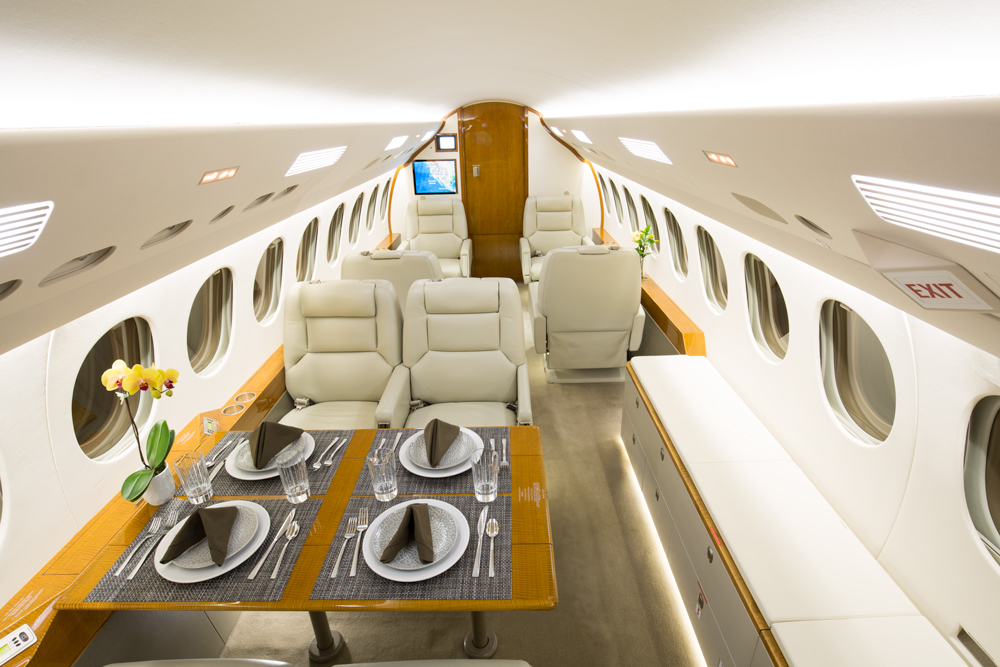

All 9 Falcon 7X for charter are automatically included in the FlightList PRO multi-search platform, the only source with all 16,631 charter aircraft and 3,419 operators worldwide, automatically.
Features of this newly available Falcon 7X:- Refurbished 2015
- Forward Galley
- Seats 13 Passengers
- Sleeps up to 6 Passengers
- Free Domestic WiFi
- International WiFi
- GoGo Vision Entertainment Service
- Cabin Host
- Argus/Wyvern Crew
Source: company announcement FlightList PRO is used by the most successful and experienced brokers and travel professionals in the industry; 80% of users have arranged charters more than 10 years, 25% more than 20 years. Air Charter Alerts by FlightList PRO, are the latest announcements in the private air charter industry about operators, brokers and charter aircraft, and geared towards active participants in the industry.
Charter Operator Prime Jet gets Safety Audit Trifecta
 U.S. charter operator Prime Jet, announced today the completion of all three leading safety audits and registries in one week, according to a release from the operator.
Prime Jet successfully renewed the Wyvern Wingman and ARG/US Platinum ratings and completed an ISBAO Stage II upgrade. Prime Jet has maintained the Wyvern Wingman rating since 2006 and the ARG/US Platinum rating since 2009. As a result of this audit Prime Jet upgraded from an ISBAO Stage I operator to a Stage II operator.
ISBAO is an International Standard for Business Aircraft Operations is an industry code of best practices, developed by the international business aviation community for the benefit its members. Recognition for implementation of and conformance to the standards is available via an auditing process that results in an International Business Aviation Council (IBAC) certificate of registration.
U.S. charter operator Prime Jet, announced today the completion of all three leading safety audits and registries in one week, according to a release from the operator.
Prime Jet successfully renewed the Wyvern Wingman and ARG/US Platinum ratings and completed an ISBAO Stage II upgrade. Prime Jet has maintained the Wyvern Wingman rating since 2006 and the ARG/US Platinum rating since 2009. As a result of this audit Prime Jet upgraded from an ISBAO Stage I operator to a Stage II operator.
ISBAO is an International Standard for Business Aircraft Operations is an industry code of best practices, developed by the international business aviation community for the benefit its members. Recognition for implementation of and conformance to the standards is available via an auditing process that results in an International Business Aviation Council (IBAC) certificate of registration.
All 4 industry safety ratings and registries are included ONLY in the FlightList PRO multi-search platform along with all 16,631 charter aircraft and 3,419 operators worldwide.
CEO Cheryl Janke States “We have an incredible team of pilots and cabin hostess operating at a high level of safety and professionalism backed by the pre and post flight analysis procedures of our Safety Management System.”Prime Jet is a privately held, Part 135 operator of exclusively Gulfstream aircraft, in business since 2001. The company offers management models from part 91 to fully dedicated charter aircraft. With a fleet size of 15 aircraft Prime Jet maintains a boutique operation, allowing each client access to senior management.
Source: company announcement All four main industry safety program ratings and registries are included by operator ONLY in the FlightList PRO multi-search platform, which includes all worldwide 16,631 charter aircraft and 3,419 charter operators. FlightList PRO is used by the most successful and experienced brokers and travel professionals in the industry; 80% of users have arranged charters more than 10 years, 25% more than 20 years. Air Charter Alerts by FlightList PRO, are the latest announcements in the private air charter industry about operators, brokers and charter aircraft, and geared towards active participants in the industry.
Charter Floating Fleet Operator flyExclusive Plans Rapid Growth
After Delta acquisition, aviation entrepreneur charts growth with new airline
 Seven years after selling his private jet service to Delta Air Lines, aviation entrepreneur Jim Segrave is "getting the band back together" in Kinston.
His new charter company, LGM Enterprises, is doing business as flyExclusive at Global Transpark. And it involves many of the same employees that helped him build Segrave Aviation, purchased by Delta subsidiary Delta AirElite in 2010 for an undisclosed sum.
This time, however, Segrave is doing things a bit differently. “We own all our own planes, for one,” he says.
To cover the costs, LGM has closed on $315,000 in debt capital, part of an offering capped at $2.5 million, according to a securities filing disclosed May 3rd.
flyExclusive and its 20-aircraft fleet are included in the Floating Fleets section of FlightList PRO's multi-search platform along with all 232 floating fleet aircraft and 14 operators. Get your free 30-day trial here.
The 2-year-old firm already has a fleet of more than 20 airplanes, according to Segrave. He says flyExclusive adds a plane every two to three weeks.
While the first company had 17 different types of jets in its fleet, the new firm has just two. He says standardization means all of his pilots can fly all of his planes – giving him scheduling flexibility.
Editor note: The fleet currently includes 7 Citation CJ2 light jets, and 13 Citation Excel/XLS aircraft, all model year 2000-2008. flyExclusive was recently highlighted in a previous charter alert as now being approved for the ARGUS Platinum rating.
Segrave says the business model is working. FlyExclusive targets high net-worth individuals, business executives and families. Already, the company averages about 1,500 hours per month in the air, with about a $60 million annual run rate, he adds. The goal is to increase the fleet to 50 airplanes “as fast as I can do it,” he explains. “It will probably take me two years.”
The firm has 110 employees.
Article in Triangle Business Journal herePrevious Charter Alert about flyExclusive, 7/14/17
Sources: Article in Triangle Business Journal, public information All 20 flyExclusive charter aircraft are available in the FlightList PRO multi-search platform which includes all 16,631 charter aircraft and 3,419 charter operators worldwide. FlightList PRO is used by the most successful and experienced brokers and travel professionals in the industry; 80% of users have arranged charters more than 10 years, 25% more than 20 years. Air Charter Alerts by FlightList PRO, are the latest announcements in the private air charter industry about operators, brokers and charter aircraft, and geared towards active participants in the industry.